01 · 2007
Agents before they could write poetry
At UPM’s Intelligent Systems Laboratory I built rule-based agents with JESS. Less fluent than today’s models; still very good at making coordination complicated.
Palma de Mallorca · 1986 → wherever this is going
A résumé is a terrible map.
Mine starts with family in Mallorca, leaves for mathematics, Madrid, Chicago and San Francisco, then disappears into browsers, startups, giant video rooms, Ethereum infrastructure and, lately, a Christmas factory game.
Playable CV · Eleven stops · No login
Move with AD or the arrow keys. Press Enter near a marker. A controller works too.
Planting trees and reconnecting old video rooms…
Not in a walking mood? The entire route is written out below.
The non-playable version
01
Mallorca is my family, the little brother I would later leave behind, my favourite food and the places against which every other place gets measured. I was born here. Leaving it was the first difficult move; coming back would take much longer.
02
At seventeen, while studying at La Salle in Palma, I placed third in the Balearic phase of the Spanish Mathematical Olympiad—then won a bronze medal at the national final. Mathematics gave me the first glimpse of what still drives me: stay with a hard problem until it changes shape.
03
There were no options in Mallorca for the telecommunications degree I wanted at the time, so I moved to Madrid and studied at UPM. It meant leaving my family—and my younger brother—earlier than I wanted. Madrid made the world larger and computers much less theoretical.
04
I moved again, this time to Chicago, for the Information Technology and Management master’s at Illinois Tech. I also got my first teaching jobs there: cloud computing, Java games and forty students who made every vague explanation immediately obvious.
05
Back at UPM I joined GING, the Next Generation Internet Group, and worked alongside the ISABEL team—people who had already spent years making videoconferencing real. I researched agents and the federated web, became a WebRTC expert and fell properly in love with what could happen inside a browser.
06
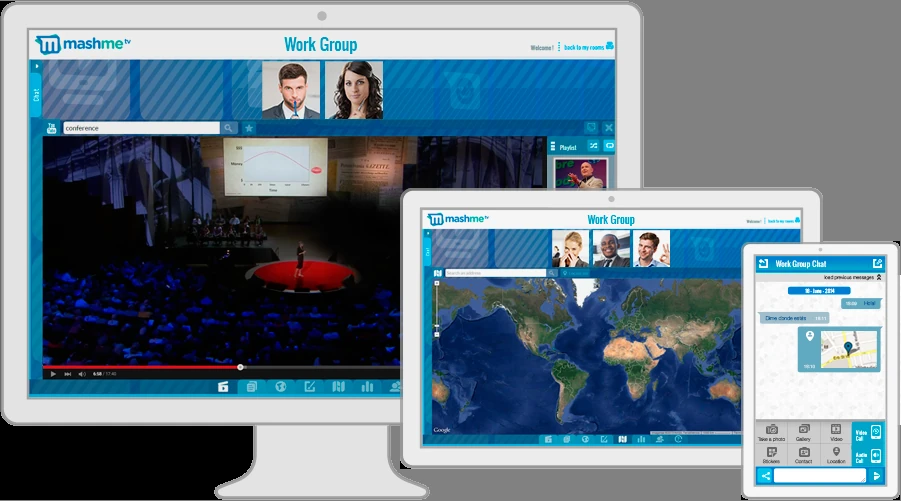
Calls with my family kept failing while I was away. That irritation became MashMe: first a browser collaboration product, then virtual classrooms used across the world. By then San Francisco was home base, and I built most of MashMe—and much of what came after—from the United States. I co-founded and led it for nine years, learning the difference between a demo, a product and a system people actually depend on.
07
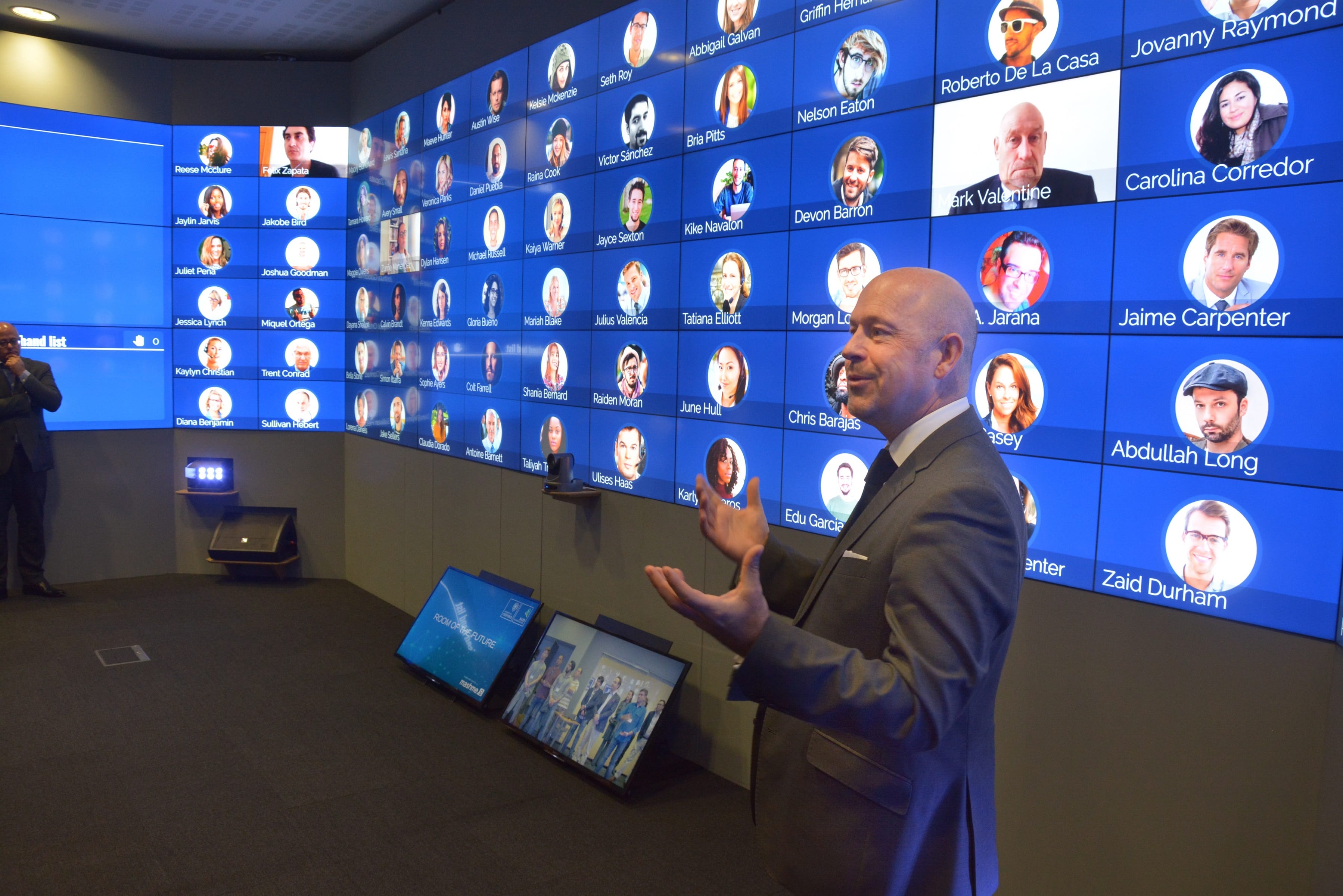
MashMe’s Room of the Future turned WebRTC into a physical place: huge displays, many remote participants and classrooms where the person at the other end was no longer a postage stamp. Room of the Future v2 was already ours before LoopUp later renamed it Hybridium.
08
LoopUp acquired SyncRTC. I became Group CTO and President of Hybridium, the new name for the Room of the Future line. We built hybrid auditoriums and room-sized video walls so remote participants could occupy the architecture rather than live in a laptop in the corner.

09
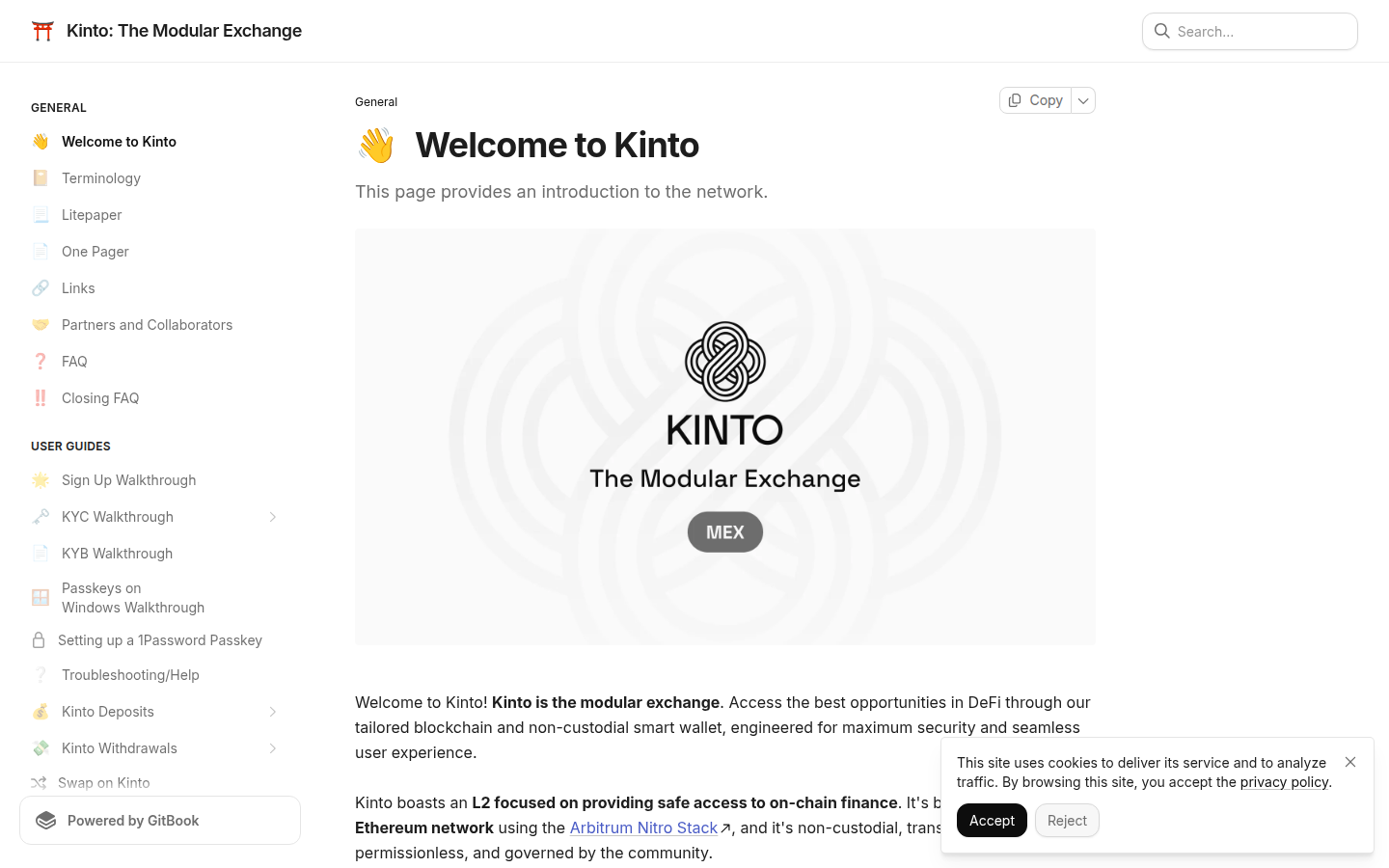
I built Kinto / Mamori while travelling through Asia with my girlfriend and my friend and co-founder Ramón Recuero—Japan, Korea, Singapore, Taiwan and more. As CTO, I was building an Ethereum Layer 2 and non-custodial smart wallet around safer access to on-chain finance, often from wherever the next laptop opened. Technically ambitious, operationally intense and rarely in the same time zone.
10
I came home to Mallorca and helped revive and re-found GDG Mallorca with a growing team. It matters because this is exactly the kind of technical community I could not find here when I left: a recurring place to bring a laptop, build something and meet the people doing the same.
11
Digital Mishaps is where the whole route collides: operational AI agents, local models, browser experiments, training, talks, media systems and Elfgineer. I build the real thing, find the inconvenient edge cases and then explain what survived. This website is part of the experiment too.
Side quests
Not every project belongs on the main map. Some are here because the present makes more sense once you know how long I have been at this.
01 · 2007
At UPM’s Intelligent Systems Laboratory I built rule-based agents with JESS. Less fluent than today’s models; still very good at making coordination complicated.
02 · 2009—2011
A virtual garden on Google Maps, a Palm Flickr client, accelerometer games, cloud tools and an unofficial Quidditch game with a careful trademark disclaimer.
03 · 2011—2012
Urki, Social Stream, Social2social and two papers about social-network federation and connect APIs. The open Web has been refusing to become a solved problem for a while.
04 · 2014
I built for Glass when wearing a small computer on your face still required a $1,600 device and a willingness to explain yourself repeatedly.
05 · 2015—Now
Web Technologies, PWA and Project Fugu, and now AI for Web Developers and GenAI: talks, mentoring, interviews, workshops and communities across several technological mood swings.
06 · 2012—
HackForGood grew into Europe’s largest hackathon by participant count and prize pool: a lot of teams, social problems, prototypes and the practical work required to make a room that large function.
07 · 2018 / 2020
I am an inventor on two US patents covering distributed shared memory for synchronising application state and events across devices.
08 · 2020
JuntosDesdeCasa turned lockdown into a public teaching series: programming, Blender, Unity and Zanabot with children and families building along.
09 · 2021 / 2025
Google Summer of Code with Liquid Galaxy: project guidance, demo days and the very useful moment when contributors have to show what actually runs.
NO END CREDITS
The current level has AI systems, browser experiments, workshops, a home lab, a developer community in Mallorca and a game that still needs more conveyors.
See what is open nowEnvironment tiles: Tiny Town by Kenney, released under CC0 1.0. Víctor character sprites created for this site from his own avatar.